
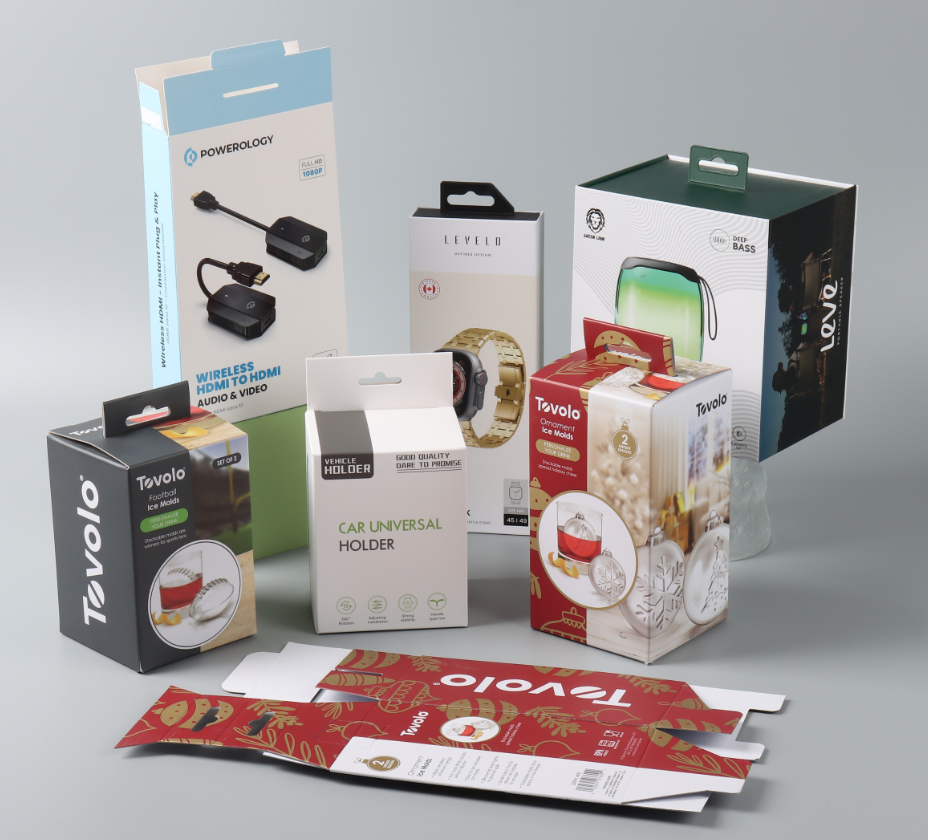
Use this 12-point buyer checklist to evaluate a custom paper packaging manufacturer, control quality, compare quotations, and reduce shipment risk.
Choosing a custom paper packaging manufacturer is not simply a matter of comparing unit prices. The supplier must translate a product, brand standard, sales channel, and delivery deadline into a repeatable physical package. A box that looks correct in a digital rendering can still fail because of weak board, inaccurate inserts, color variation, poor gluing, surface scratches, or export packing that does not survive handling.
For an overseas buyer, the most useful question is therefore not “Who offers the lowest price?” It is “Which manufacturer can define, sample, produce, inspect, and ship the specification with the least unmanaged risk?”
Short answer: select a manufacturer that asks detailed questions before quoting, produces a representative sample, records an approved specification, controls printing and assembly in production, accepts measurable inspection criteria, and explains export packing and shipment preparation. Compare suppliers on total project risk and landed value, not the box price alone.
This guide provides a 12-point evaluation framework for brand owners, importers, distributors, procurement teams, and product companies sourcing rigid gift boxes, folding cartons, paper bags, display packaging, or paper-based presentation kits.
1. Start With a Complete Packaging Requirement
A reliable quotation begins with reliable input. When the request only says “luxury gift box, 5,000 pieces,” each supplier must make different assumptions. The resulting prices are not truly comparable.
Prepare a brief containing:
- packed-product dimensions and weight;
- required internal box dimensions;
- preferred structure or a reference photo;
- quantity by size, design, and SKU;
- board and surface-paper preferences;
- printing colors and special finishes;
- insert material and product-retention requirements;
- target market and sales channel;
- retail, e-commerce, promotional, or gifting application;
- flat-packed or assembled delivery preference;
- requested delivery date and destination;
- applicable labeling, testing, or sourcing requirements.
Product dimensions should be measured from a production-representative unit, not only a CAD drawing. Bottles, jars, electronics, and handmade products can vary. If the insert is too tight, packing becomes slow or the surface can be marked. If it is too loose, the product may move during distribution.
A competent manufacturer will question unclear inputs. That is a positive sign. Clarifying the product orientation, opening sequence, insert removal, accessory placement, barcode area, and shipping method before sampling is cheaper than correcting finished goods.
2. Confirm the Manufacturer Fits the Packaging Type
“Paper packaging” covers different production systems. A factory that performs well on folding cartons may not be equally capable in wrapped rigid boxes, and a paper bag line does not prove expertise in precision inserts.
Ask which processes are performed in-house and which are subcontracted:
- structural design and CAD sampling;
- prepress and color management;
- offset, digital, flexographic, or screen printing;
- lamination and coating;
- hot foil stamping, embossing, debossing, and spot UV;
- die cutting and creasing;
- greyboard cutting and V-grooving;
- rigid-box wrapping and assembly;
- insert cutting, forming, and fitting;
- paper-bag forming and handle installation;
- final inspection and export packing.
Subcontracting is not automatically a problem. Many capable manufacturers use specialized partners for selected finishes. The important questions are who owns the specification, who approves the outsourced process, how incoming components are checked, and who is responsible if the result does not match the approved sample.
Request examples in the same structural family and with similar finishing complexity. A simple four-color carton is weak evidence for a multi-piece rigid gift set with foil, molded insert, ribbon, and tight color matching.
3. Evaluate How the Factory Engineers the Structure
Good packaging development connects appearance with manufacturing and use. Before making a sample, the engineering discussion should address board thickness, grain direction, crease allowance, wrap clearance, glue areas, insert support, opening resistance, and packing sequence.
For example, a premium bottle box may need more than a thick outer shell. The insert must support the bottle base, prevent lateral movement, avoid concentrated pressure on the closure, and remain easy to load on the packing line. A folding carton for retail must balance board stiffness with clean creasing, glue-flap performance, shelf information, and efficient flat shipment.
Ask the supplier to explain:
- Why the proposed structure suits the product.
- Which dimensions are critical to fit.
- Which parts are most likely to vary in production.
- Whether the package is intended as primary presentation packaging or requires an outer shipping carton.
- How the box will be packed, palletized, and handled.
The strongest answer is specific to your product. Generic statements such as “high quality and durable” do not define performance.
4. Use Sampling as a Decision Gate, Not a Formality
A production-representative sample is one of the highest-value controls in a custom packaging project. It establishes the physical reference for structure, fit, artwork placement, materials, finishes, and opening experience.
There may be several sample stages:
- White structural sample: checks dimensions, assembly, insert fit, and user interaction without final printing.
- Digital printed sample: checks layout and overall visual direction, but may not reproduce offset-print color or every production finish exactly.
- Production-process sample: uses materials and processes closer to mass production and is more appropriate for final approval on complex work.
During sample review, test the package with the real product and accessories. Open and close it repeatedly. Pack it using the intended sequence. Check whether retail staff or a fulfillment team can assemble it consistently. Examine corners, edges, glue joints, foil registration, lamination, insert removal, and areas likely to rub during transport.
Do not approve only through photographs when fit, texture, stiffness, or color is important. Photographs are useful for progress review, but they cannot confirm physical behavior.
Document every approved point. If a digital sample cannot exactly represent a production finish, record the approved production reference separately, such as a foil swatch, paper sample, color standard, or signed component.
Mid-article CTA — Send Your Requirements
Preparing a new box or reviewing an existing design? Send the product dimensions, quantity, reference images, target market, and delivery destination. A structured requirement review makes quotations faster and easier to compare. Send Your Requirements
5. Define Materials Precisely
Material names are often ambiguous. “Cardboard,” “art paper,” “Kraft,” and “recycled paper” can describe broad families rather than an exact construction.
A usable specification should identify, where relevant:
- paper or paperboard grade;
- nominal grammage or thickness;
- greyboard thickness for rigid structures;
- color, surface texture, and coating;
- recycled-content claim and supporting documentation;
- certified sourcing requirement;
- insert substrate and density;
- lamination film, varnish, or barrier layer;
- adhesive or magnet requirement where applicable.
Material selection should follow the product and channel. A heavier material is not always better. It can increase cost, shipping volume, environmental burden, and assembly difficulty without improving real performance. The manufacturer should recommend the lightest practical construction that meets presentation, protection, and production needs, then confirm it through samples or appropriate testing.
For responsible sourcing claims, ask what documentation is available and whether the relevant supply chain is covered. FSC explains that chain-of-custody certification governs the sourcing, processing, labeling, and sale of forest-based products as FSC certified. A material’s appearance alone does not prove a certification claim.
6. Review Printing and Color-Control Capability
Color disputes often begin because the approval method was never defined. A color viewed on an uncalibrated monitor is not a dependable production standard.
Before production, agree on:
- CMYK process printing or specified spot colors;
- the physical or numerical color reference;
- acceptable difference between sample and production;
- lighting conditions used for visual comparison;
- whether surface paper, lamination, varnish, or texture changes the appearance;
- registration expectations for foil, embossing, spot UV, and die cutting.
Ask how the factory controls color during the print run and how approved sheets are communicated to finishing and assembly teams. For repeat orders, request retention of approved samples and production records. Exact visual identity across different paper lots and printing dates may not always be physically possible, but a defined control process makes variation manageable.
7. Examine Quality Control at Multiple Stages
Final inspection alone cannot efficiently correct defects created early in production. A better quality plan places checks at the points where errors can still be contained.
Typical control stages include:
Incoming material inspection
Check paper identity, board thickness, color, surface condition, insert material, accessories, and quantity before production.
Printing and finishing inspection
Review color consistency, registration, coating, foil position, embossing depth, scratches, contamination, cracking, and die-cut accuracy.
Assembly inspection
Check squareness, wrap alignment, corners, glue, lid fit, drawer movement, magnet orientation, ribbon placement, insert fit, and overall cleanliness.
Final and pre-shipment inspection
Confirm product identity, approved appearance, dimensions, function, quantity, assortment, labels, inner packing, master cartons, shipping marks, pallet condition, and required records.
Inspection should use an agreed sampling plan rather than an undefined promise to “check everything.” ISO 2859-1 defines AQL-indexed sampling schemes for lot-by-lot inspection. The buyer and supplier still need to agree which defects are critical, major, or minor and which acceptance criteria apply. An AQL value is not a product specification by itself.
For a new supplier or high-risk project, buyers may arrange a third-party pre-shipment inspection. The inspection company must receive the approved sample, drawings, defect classification, packing requirements, and purchase-order details. Without those references, an inspector can count boxes but may not know whether a finish or fit is acceptable.
8. Ask for a Clear Defect Standard
Terms such as “premium quality” are difficult to inspect. Translate expectations into observable criteria.
Examples include:
- artwork and barcode match the approved file;
- box dimensions follow the signed specification;
- product fits without damaging pressure or uncontrolled movement;
- lid, drawer, closure, and insert function correctly;
- surfaces are free from specified levels of scratches, glue, dirt, dents, and wrinkles;
- print and finishes match approved references within agreed limits;
- packing quantity and assortment are correct;
- master cartons and pallets meet the agreed shipment plan.
Avoid copying a generic tolerance sheet without considering the product. A tiny cosmetic mark may be major on a luxury gift box but less significant on an internal transport component. Defect severity should reflect customer use and business risk.
9. Compare Quotations on the Same Basis
A low unit price may exclude costs included elsewhere. Ask each supplier to separate:
- structural design or engineering;
- sample charges and courier cost;
- tooling, dies, plates, molds, or setup;
- unit packaging price;
- inserts and accessories;
- special finishing;
- individual packing and master cartons;
- inspection or testing;
- palletization;
- freight terms and destination charges;
- taxes or duties where applicable.
Check the trade term, quote validity, payment schedule, overrun or underrun allowance, and currency. Confirm whether quantity refers to ordered, produced, accepted, or shipped units.
The most useful comparison is total landed value at the required quality level. A slightly higher factory price may be economical if the structure packs flat, reduces volume, assembles faster, lowers damage risk, or avoids rework.
10. Verify Capacity and Lead-Time Logic
Do not accept a delivery promise without understanding its assumptions. Custom packaging schedules normally include artwork review, sampling, sample shipment, approval, material preparation, printing, finishing, assembly, inspection, and export preparation.
Ask for a milestone plan showing:
- Required buyer inputs.
- Sample completion and courier time.
- Artwork and sample approval deadline.
- Material procurement.
- Production window.
- Inspection date.
- Ex-factory date.
- Estimated freight transit.
Illustrative schedules are often several working days for sampling and several weeks for mass production, but actual timing varies substantially with structure, quantity, finish, material availability, factory loading, rework risk, and holiday periods. Treat a lead time as project-specific, not as a universal promise.
Ask what happens if approval is late or a material fails incoming inspection. A realistic supplier explains dependencies instead of promising that every date is fixed.
11. Review Export Packing and Shipment Preparation
Presentation packaging is usually not designed to act as the shipping container. Finished boxes need protection against rubbing, compression, contamination, moisture exposure, poor stacking, and repeated handling.
Shipment preparation should define:
- individual protection such as tissue, sleeves, or bags;
- inner pack quantity and orientation;
- dividers or edge protection;
- master-carton grade and dimensions;
- carton gross weight;
- shipping marks and barcode labels;
- pallet dimensions, stacking pattern, and stretch wrapping;
- container-loading approach;
- moisture-control measures where appropriate.
For distribution risk, testing should reflect the actual route and package system. Industry test protocols may include impact, compression, and vibration. Testing a retail box alone may be less useful than testing the complete packed product, retail package, master carton, and shipment configuration.
Before shipment, request inspection evidence appropriate to the project: photographs, quantity records, packing details, carton dimensions, gross and net weights, pallet information, and agreed test or inspection reports. Evidence should support the purchase specification, not function as decoration in a sales presentation.
12. Assess Communication and Change Control
Many production failures are communication failures. Evaluate whether the supplier:
- summarizes requirements in writing;
- identifies unanswered questions;
- controls artwork versions;
- records sample changes;
- confirms the final bill of materials;
- provides one accountable project contact;
- reports delays or quality concerns early;
- obtains approval before substitutions;
- retains production and inspection records.
Change control matters because packaging has connected variables. Changing board thickness can affect crease behavior, fit, die lines, carton size, weight, and cost. Changing a laminate can affect color, recyclability, scuff resistance, and glue performance. Every approved change should be reflected in the current specification.
A 12-Point Manufacturer Evaluation Scorecard
- Evaluation area: Relevant capability; Evidence to request: Similar structures and finishes; Warning sign: Only unrelated samples
- Evaluation area: Requirement review; Evidence to request: Written questions and specification; Warning sign: Immediate quote from vague brief
- Evaluation area: Engineering; Evidence to request: Dieline, fit logic, material rationale; Warning sign: Appearance-only discussion
- Evaluation area: Sampling; Evidence to request: Physical sample and approval record; Warning sign: Production based only on rendering
- Evaluation area: Material control; Evidence to request: Defined grades and documentation; Warning sign: Ambiguous material names
- Evaluation area: Color control; Evidence to request: Agreed references and process; Warning sign: Monitor image treated as standard
- Evaluation area: In-process QC; Evidence to request: Stage checks and records; Warning sign: Final inspection only
- Evaluation area: Final inspection; Evidence to request: Defect criteria and sampling plan; Warning sign: “100% perfect” promise
- Evaluation area: Quotation clarity; Evidence to request: Itemized cost and trade terms; Warning sign: Unexplained low unit price
- Evaluation area: Capacity planning; Evidence to request: Milestones and dependencies; Warning sign: Unrealistic fixed promise
- Evaluation area: Export packing; Evidence to request: Carton and pallet plan; Warning sign: No discussion of transit
- Evaluation area: Communication; Evidence to request: Version and change control; Warning sign: Important decisions only in chat
Frequently Asked Questions
What information does a custom packaging manufacturer need to quote?
Provide product and internal box dimensions, quantity by SKU, preferred structure, materials, printing and finishes, insert requirements, packing method, delivery destination, requested date, and reference images or artwork. State which details are fixed and which are open to engineering recommendations.
Should I choose a factory only after visiting it?
A visit can be valuable for complex or high-value programs, but it is one evidence source. Samples, process documentation, live video review, references, third-party audits, and pre-shipment inspection can also reduce risk. Match the verification effort to project value and complexity.
Is the lowest MOQ supplier the best option for a first order?
Not necessarily. A low MOQ can reduce inventory exposure, but tooling, sampling, freight, and unit cost may be higher. Evaluate the total cash commitment, specification control, quality process, and repeat-order scalability.
How can I protect my artwork and design?
Use written confidentiality terms where appropriate, control access to production-ready files, identify ownership of tooling and structural designs, and maintain clear file versions. Legal enforceability depends on jurisdictions and contracts, so obtain professional advice for sensitive intellectual property.
What should be checked during a pre-shipment inspection?
Check identity, workmanship, dimensions, function, print and finish, product fit, quantity, assortment, labels, inner packing, master cartons, shipping marks, and pallet condition against approved references. Define defect classes and sampling rules before inspection.
Can a paper packaging manufacturer guarantee exact color?
Printing and material processes have normal variation. A professional supplier should define the reference, measurement or visual method, expected tolerance, and control process. Approval of a physical production reference is more dependable than approval from an uncalibrated screen.
Conclusion
The best custom paper packaging manufacturer is not simply the supplier with the most machinery or the lowest quote. It is the supplier that converts your requirements into a controlled specification, makes risks visible, proves the design through sampling, manages production at the right checkpoints, and prepares the finished goods for their real distribution route.
Use the checklist before requesting final prices. It will improve quotation accuracy, reveal capability differences, and reduce the chance that quality disagreements appear only after the boxes are finished.
Ready to Evaluate Your Packaging Project?
Send your product dimensions, estimated quantity, target market, preferred structure, artwork status, and destination. DATANGXING Packaging can review the requirement and recommend the next practical step—structural discussion, material selection, sampling, or quotation.